Social Skills Educator | Founder of Learn 2 be Social
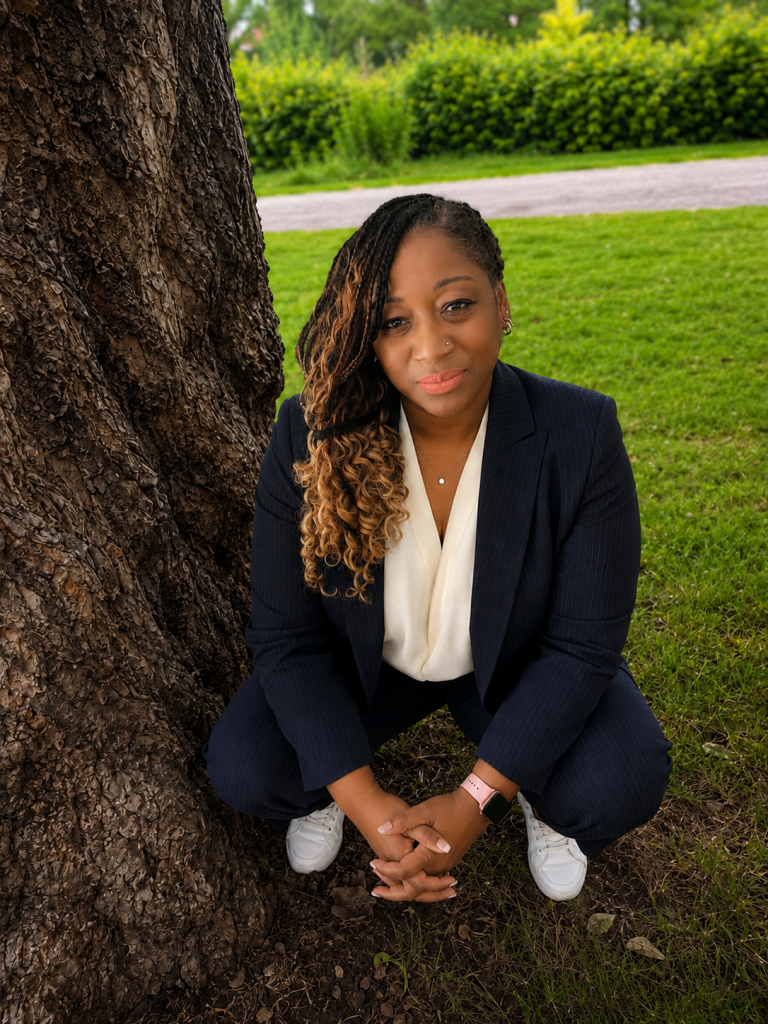
I’m Natasha Leona, a social skills educator and founder of Learn 2 be Social
For many years, I worked quietly with children and young people on a part-time basis while supporting my own son through his challenges. Much of my work grew through referrals and word of mouth, and at that stage of my life, working in this way allowed me to continue doing work I cared deeply about while keeping my son and his needs at the centre of my world.
He is older now and doing very well. He has come such a long way, far beyond what we were once led to expect by medical professionals, and I am incredibly proud of the young man he has become.
Now, I have the space to fully commit to supporting other children and families. I bring together a BSc in Health Psychology, years of experience working with children and young people, and the understanding I have gained through my own journey as a parent.
My work is educational rather than clinical or therapeutic. I use my knowledge and experience to help children better understand themselves and the social world around them, while giving parents practical knowledge and guidance to help them support their child with greater understanding and confidence.
Learn 2 Be Social may be entering a more visible chapter, but the experience behind it has been built over many years of learning, listening, supporting and understanding.
This is not the beginning of my experience. It is the beginning of being ready to share it more widely.
When I first created Superbunny and Me, a social skills programme, a few years ago, my intention was to support children who were struggling socially and who might benefit from concepts being broken down into smaller, more manageable steps. This included children with learning or processing difficulties, as well as children with speech and language challenges.
However, as children began joining the programme, I noticed something I had not fully expected.
Many of the children were academically very able, articulate and strong communicators. Some were talented or gifted and achieving highly at school. Yet socially, their parents were seeing very real challenges.
These children could understand complex ideas but struggle with everyday organisation.
They could achieve highly academically but find friendships confusing.
They could explain facts in incredible detail but struggle to understand or communicate what they were feeling.
They could know a social rule but not always understand when, why or how to apply it.
Sometimes these difficulties were seen simply as negative behaviour, poor organisation, a lack of effort or a lack of social awareness. Yet what I began to see was that, because these children were viewed as capable, their difficulties were not always recognised or fully understood. In many ways, their strengths were hiding their struggles.
This made me reflect deeply on my own experience of supporting my son.
My son needed time, repetition and clear explanations. One thing I had always done, often without consciously thinking about it, was explain the why behind things.
We do this because…
This matters because…
If we make this choice, this might happen…
Someone else may feel this way because…
I explained the reasons behind everyday situations, expectations, choices and consequences. Over time, and with guidance and support, he developed greater social understanding and the skills to navigate situations more independently.
That reflection led me to an important question:
If a child does not understand why something matters, how can we expect them to know when, where and how to use the skill we are teaching them?
I began to realise that some children did not simply need to be told what to do. They needed the social world to be explained in a clear and structured way.
They needed opportunities to understand the reasons behind social expectations, explore different perspectives, think through choices and consequences, recognise what might be happening beneath a situation, and then practise the skills they could use.
That thinking became the foundation of Learn 2 Be Social.
My approach is built around understanding before social skills. I believe that when children understand the why, we give them more than a rule to follow. We give them knowledge they can think about, apply and gradually use more independently in real-life situations.
The aim is not to teach children to perform a list of expected behaviours. It is to help them understand themselves, understand others, communicate more effectively, make thoughtful choices and develop practical skills they can carry with them into everyday life.
At Learn 2 be Social, I believe that not all children naturally develop social awareness and social understanding in the same way.
Many people who did not experience difficulties with communication or social interaction can unintentionally assume these skills should simply be “picked up.” However, for some children and young people, understanding friendships, emotions, communication, group expectations and everyday social situations is not automatic.
When children struggle to understand the social world around them, this can often lead to frustration, misunderstanding and labels that do not reflect their true potential.
I believe some children need social understanding to be taught clearly, patiently and directly. Instead of assuming they already know, we should take the time to explain the “why” behind social expectations and help them make sense of the world around them.
As children begin to understand social situations more clearly, confidence, self-awareness and communication can grow. Over time, this understanding can positively influence behaviour, relationships and decision-making.
The goal is not perfection. The goal is to help children become more aware of their choices, understand possible consequences, and feel more confident navigating social situations independently.
My hope is that children and young people gain far more than just social skills.
I want them to develop greater self-awareness, confidence and understanding of both themselves and the people around them.
Through supportive social learning, I aim to help children recognise social cues, understand different perspectives, manage challenges and make thoughtful choices in everyday situations.
Most importantly, I hope they feel understood, supported and more confident navigating the social world with greater awareness, independence and social confidence.
Thank you for taking the time to learn more about my journey and the values behind Learn 2 Be Social.